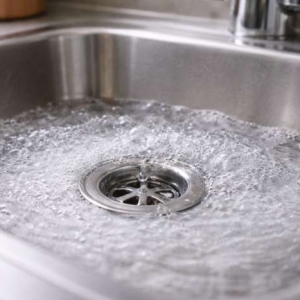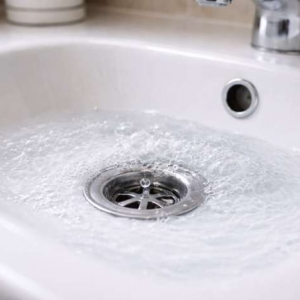

When washer drains sink gurgles, it’s more than just an annoying sound. That bubbling or glug-glug noise is often your plumbing’s way of warning you that something isn’t flowing the way it should. Many homeowners notice it for the first time on laundry day and worry they’re facing a major plumbing failure. The good news is that the problem is usually fixable, and sometimes with simple steps you can handle yourself.
Below is a clear, homeowner-friendly breakdown of what’s happening, why it happens, and how to deal with it before it turns into a bigger mess.
Quick Answer: Why the Sink Gurgles When the Washer Drains
When washer drains sink gurgles, it usually means there’s restricted airflow or a partial blockage in the drain system. As the washer pumps out a large volume of water, it pushes air through the pipes. If the vent or drain is restricted, that air escapes through the sink drain, causing gurgling sounds.
What It Means When the Sink Gurgles
A gurgling sink is a sign of negative pressure in your plumbing system.
Under normal conditions, drain pipes are designed to let water and air flow smoothly. Plumbing vents allow air to enter the system so water can drain without resistance. When something disrupts that balance, air gets trapped and forced out through the nearest opening—often the sink drain.
In short, the sound means your plumbing is struggling to breathe.
Why It Happens When the Washer Drains
Washing machines discharge water fast and in large amounts. That sudden rush puts stress on the drain line, especially if there’s an existing weakness.
Common Reasons This Happens
1. Partial Drain Clog
Lint, soap residue, hair, and grease can build up over time.
The washer’s discharge overwhelms the restricted pipe, forcing air backward.
2. Blocked or Improper Venting
A clogged vent pipe (often on the roof) prevents air from entering the system.
Without proper venting, drains pull air from nearby fixtures.
3. Shared Drain Line Design
In many homes, the washer and sink share a drain branch.
If the pipe diameter is too small or poorly sloped, gurgling is common.
4. Suds Overload
Using too much detergent creates excess foam.
Suds take up space in the pipe and restrict airflow.
5. Aging or Poorly Installed Plumbing
Older homes may not meet modern plumbing standards.
Improper drain angles or undersized pipes can cause recurring gurgling.
How to Fix It: Step-by-Step Homeowner Solutions
Before calling a plumber, there are several safe, practical things you can try.
Step 1: Check for Slow Drains
Run water in the sink.
If it drains slowly or backs up, there’s likely a partial clog.
Step 2: Clean the Sink Trap
Place a bucket under the sink.
Remove the P-trap and clean out debris.
Reassemble and test.
Step 3: Use a Drain Snake
Insert a hand auger into the sink drain.
Break up lint or buildup further down the line.
Avoid harsh chemical drain cleaners—they can damage pipes.
Step 4: Run the Washer on a Rinse Cycle
Watch and listen as it drains.
If gurgling improves after cleaning, you likely removed the restriction.
Step 5: Reduce Detergent Use
Use high-efficiency detergent if you have an HE washer.
Cut the amount by 25–50% and see if the problem improves.
Step 6: Inspect the Vent (If Accessible)
From the ground, look for obvious blockages on roof vents.
Leaves, nests, and debris are common causes.
Do not climb the roof unless you’re experienced and safe.
When to Call a Professional Plumber
Some situations go beyond DIY fixes.
Call a plumber if:
-
Gurgling happens in multiple fixtures
-
Water backs up into the sink or tub
-
You smell sewer gas
-
The problem returns quickly after cleaning
-
The washer drain overflows
These signs often point to a main drain blockage or venting issue that requires professional tools and inspection.
Prevention Tips to Stop Gurgling for Good
A little maintenance goes a long way.
Simple Habits That Help
-
Clean sink traps once or twice a year
-
Use lint traps on washer discharge hoses
-
Avoid pouring grease or oils down drains
-
Use the correct detergent amount
-
Flush drains monthly with hot water
For older homes, a plumber can also check whether the washer drain setup meets current plumbing standards.
FAQ: Washer Draining and Sink Gurgling
Is a gurgling sink dangerous?
Not immediately, but it signals a problem that can lead to backups or sewer gas if ignored.
Can a clogged washer cause the sink to gurgle?
Yes. Lint and soap buildup from the washer often contribute to shared drain clogs.
Why does it only happen during the drain cycle?
The washer releases water quickly, stressing the drain and exposing airflow issues.
Will a plumber need to open walls?
Usually no. Most fixes involve drain cleaning or vent clearing.
Can vent problems cause gurgling without clogs?
Yes. Even a clear drain will gurgle if it can’t get enough air
Helpful Takeaway
When washer drains sink gurgles, it’s your plumbing system asking for attention—not panicking. In many cases, a simple clog or airflow issue is the root cause. Addressing it early keeps drains flowing smoothly, prevents messy backups, and saves you from bigger repairs down the road. With a little awareness and basic maintenance, most homeowners can keep this problem from becoming a regular laundry-day surprise.