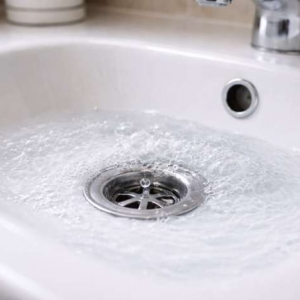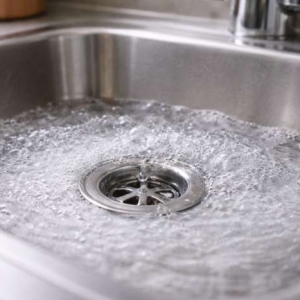
If you’ve ever wondered, “when I flush the toilet the sink gurgles,” you’re not alone. This strange bubbling or glugging sound is a common household plumbing issue. While it might seem harmless at first, it’s often a warning sign that something isn’t flowing or venting the way it should behind your walls.
Quick Answer: Why the Sink Gurgles When You Flush the Toilet
When you flush the toilet and the sink gurgles, it usually means air is being pulled through the sink drain due to improper venting or a partial drain blockage. The toilet pushes water through the pipes, and trapped air escapes through the nearest opening—often the sink drain.
What It Means
A gurgling sink isn’t just noise. It’s your plumbing system struggling to balance air pressure.
Plumbing drains rely on airflow to move water smoothly. When airflow is blocked or restricted, air looks for another way out. That’s when you hear gurgling, bubbling, or sucking sounds from nearby fixtures.
If ignored, this issue can lead to slow drains, sewer odors, or even backups.
Why It Happens
Several issues can cause a sink to gurgle when the toilet is flushed. Some are minor, others more serious.
1. Partial Drain Blockage
A clog in the shared drain line is the most common cause.
Hair, soap residue, toilet paper, or grease can narrow the pipe. When the toilet flushes, water rushes past the blockage and pulls air from the sink trap.
2. Vent Pipe Problems
Plumbing vents release sewer gases and let air into the system.
If the vent pipe is blocked by leaves, debris, bird nests, or even ice, air can’t flow properly. The system then steals air from the nearest fixture—your sink.
3. Improper or Missing Venting
Older homes or DIY plumbing jobs sometimes lack proper venting.
Without correct vent placement, pressure builds in the drain lines and forces air through traps instead of vents.
4. Sewer Line Issues
A clog or sag in the main sewer line can affect multiple fixtures.
If you notice gurgling along with slow drains or bad smells, the problem may be farther down the line.
How to Fix It: Step-by-Step Solutions
Some fixes are simple and homeowner-friendly. Others require professional tools.
Step 1: Check for Slow Drains
Run water in the sink and shower.
If drains are slow, you likely have a blockage forming. Addressing it early can stop the gurgling.
Step 2: Clear the Sink Drain
Try these in order:
-
Remove and clean the sink stopper
-
Use a plunger on the sink drain
-
Run a drain snake a few feet into the pipe
Avoid chemical drain cleaners—they can damage pipes and won’t fix vent issues.
Step 3: Listen at the Toilet Flush
Flush the toilet while watching the sink drain.
If water levels move or bubble, air pressure is definitely involved.
Step 4: Inspect the Vent (If Accessible)
From the ground, look for obvious vent blockages.
If you’re comfortable and safe on a ladder, check for visible debris at the vent opening. If not, skip this step.
When to Call a Professional
Call a plumber if:
-
Gurgling continues after clearing drains
-
Multiple fixtures are affected
-
You smell sewer gas
-
Water backs up anywhere
Professionals can run camera inspections, clear vent stacks, and diagnose sewer line problems safely.
Prevention Tips
-
Avoid flushing wipes or thick paper
-
Clean sink stoppers monthly
-
Run hot water regularly to reduce buildup
-
Have vents checked during roof work
-
Address slow drains early
Small habits go a long way in preventing pressure problems.
FAQ: Sink Gurgles When Toilet Flushes
Is a gurgling sink dangerous?
Not immediately, but it signals a plumbing issue that can worsen over time.
Can a sink gurgle without a clog?
Yes. Vent blockages or poor vent design can cause gurgling even with clear drains.
Will a plunger fix the problem?
Sometimes. If the issue is a minor clog, plunging can restore airflow.
Does this mean my sewer line is clogged?
Not always, but persistent gurgling across multiple fixtures can point to a main line issue.
Helpful Takeaway
When you notice that flushing the toilet makes the sink gurgle, it’s your plumbing asking for attention. Whether it’s a simple clog or a venting problem, catching it early prevents bigger headaches later. Listen to the sounds, check the basics, and don’t hesitate to get help when things don’t improve.